The Ultimate Guide to Adventure Guides: Why You Need One (Even If You Think You Don't)
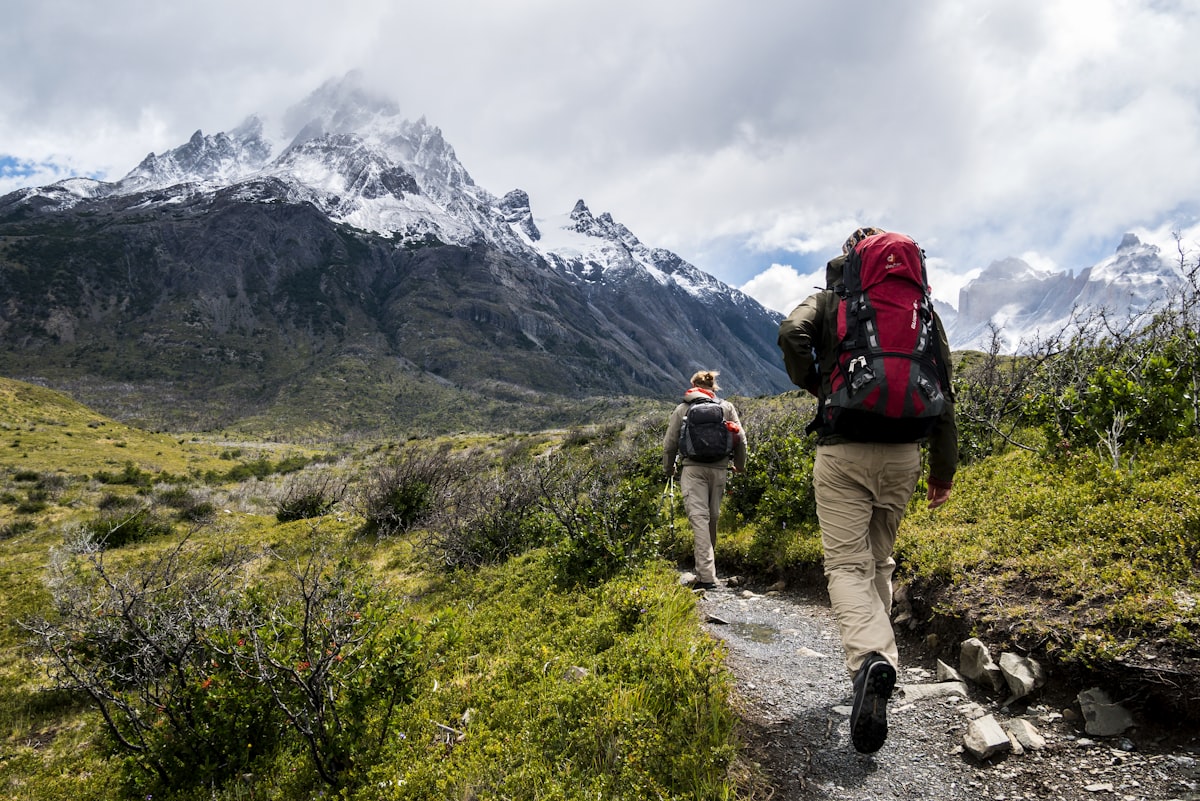
You have the gear. You have the GPS. You watched the YouTube tutorials.
You are standing at the trailhead, staring at a map that looks nothing like the terrain in front of you. The river is higher than expected. The "easy scramble" is actually a vertical cliff. And your phone has zero signal.
This is where an Adventure Guide becomes worth more than every piece of equipment in your pack.
An Adventure Guide is not just a person with a rope. In the modern era, an Adventure Guide is a professional navigator, safety officer, ecologist, storyteller, and crisis manager rolled into one. Whether you are hiking Kilimanjaro, kayaking the Inside Passage, or canyoneering in Utah, a guide transforms a risky trip into a life-changing memory.
What Is an Adventure Guide?
An Adventure Guide is a certified professional who leads individuals or groups through outdoor recreational activities in wilderness or remote environments. Unlike a tour operator (who shows you cities and monuments), an Adventure Guide specializes in dynamic, high-risk, or technically demanding environments.
Common types of Adventure Guides include:
Mountain Guides: Rock climbing, alpine mountaineering, ice climbing.
Whitewater Guides: Rafting, kayaking, packrafting.
Backcountry Guides: Hiking, backpacking, winter camping, avalanche terrain.
Specialty Guides: Canyoneering, caving (spelunking), backcountry skiing, paragliding, and even desert overlanding.
Why You Are Wrong If You Think You Don't Need One
Most adventurers skip guides for three reasons: cost, ego, or overconfidence.
Here is why those reasons will get you into trouble.
1. Local Knowledge Cannot Be Googled
A GPS tells you where the trail is. A guide tells you where the rotten snow bridge is. They know which stream will flash flood after 20 minutes of rain. They know where the mountain goats charge during mating season. This is tacit knowledge—learned through years of mistakes you will never have to make.
2. Permits, Logistics, and Red Tape
In popular wilderness areas (The Wave, Half Dome, Enchantments), permits are a lottery you will lose. Adventure Guides often hold annual permits or have priority access. They also handle transportation, food, group gear, and emergency communication. You show up. They handle the chaos.
3. Safety Systems That Save Lives
An amateur thinks safety is a first aid kit. A professional guide thinks safety is a system:
Daily weather briefings from meteorologists.
Satellite communication (Garmin InReach, Zoleo).
Evacuation plans pre-filed with local rangers.
Redundant gear (two stoves, two water filters, extra headlamps).
When the storm hits at 12,000 feet, you want the person who has practiced emergency bivouacs 50 times.
4. The Experience Multiplier
You can climb a peak alone. But will you know the name of that purple flower? The story behind that abandoned mining cabin? The best angle for sunrise photos? A great guide turns a physical challenge into a cultural and natural history lesson. You finish smarter, not just sweatier.
How to Choose a Legitimate Adventure Guide (Avoid the Cowboys)
The adventure industry has no single global license, which means anyone with a truck and a Facebook page can call themselves a "guide." Here is how to spot the real pros.
Look for These Certifications (By Region)
- USA: AMGA (American Mountain Guides Association) for climbing/mountaineering; ACA (American Canoe Association) for paddling; AORE for outdoor recreation.
- Canada: ACMG (Association of Canadian Mountain Guides) – one of the strictest in the world.
- International: IFMGA (International Federation of Mountain Guides Associations) – the gold standard globally.
- Wilderness Medicine: WFR (Wilderness First Responder) minimum; WEMT (Wilderness Emergency Medical Technician) is better.
Ask These 3 Questions Before Booking
- "What is your guide-to-client ratio?" (Lower is better. 4:1 for hiking; 2:1 for technical climbing.)
- "What is your emergency evacuation plan for this specific trip?" (If they hesitate, walk away.)
- "Can you provide references from the last three trips you led?" (Real guides are proud to share this.)
Red Flags to Avoid
- Prices that seem too good to be true (they are cutting safety corners).
- No written waiver or trip contract.
- Cannot tell you their exact route due to "secrecy" (this is usually incompetence).
- Guides who brag about "never needing a satellite phone."
What to Expect on a Guided Adventure (Day-by-Day)
Most first-time clients are nervous. Here is what a professional experience looks like.
Before the trip:
- Detailed gear list (they often loan technical equipment).
- Physical fitness expectations (honest, not inflated).
- Weather contingency plan.
Day 1:
- Gear check (they will reject your worn-out shoes or cotton socks).
- Safety briefing and emergency signal practice.
- Slow pace to assess group fitness.
Middle days:
- Guides wake first, make coffee/tea, and check weather.
- They cook, clean, filter water, and manage waste.
- They constantly monitor for altitude sickness, hypothermia, and fatigue.
Final day:
- Post-trip debrief.
- Gear cleaning and de-issue.
- Tip (industry standard: 10-20% of trip cost for excellent service).
The Cost Breakdown (Why It's Worth It)
A guided trip is not cheap. Expect:
- Day hike: $150–$300 per person.
- Multi-day backpacking: $400–$800 per day.
- Technical mountaineering (e.g., Rainier, Denali): $1,500–$5,000+ total.
You are paying for: certification (years of training), insurance (millions in liability), permits, group gear, food, and a professional who has invested 2,000+ hours in apprenticeship. Compare that to the cost of a helicopter rescue ($10,000–$50,000) or a week in a hospital. Suddenly, the guide looks like a bargain.
Final Verdict: Go Guided
There is a myth that hiring an Adventure Guide is "cheating" or "for tourists." That belief has left experienced hikers on rescue helicopters and families lost in the fog.
A guide does not diminish your accomplishment. A guide enables your accomplishment. They handle the risk so you can focus on the wonder.
Next time you look at a mountain, a river, or a canyon, do not ask "Can I do this alone?" Ask "How much better will this be with a professional by my side?"
The answer will change your life.
Comments
Post a Comment